




Igor Wakhevitch – Composer Official Homepage
Igor Wakhevitch
SCROLL DOWN
Igor Wakhevitch – Composer Official Homepage
Igor Wakhevitch
WHEN SOUND IS VISION

I G O R W A K H E V I T C H
WShen Sound is Vision
WShen Sound is Vision

The 8th degree
The 8th degree
Igor Wakhévitch est un compositeur français dont l’œuvre explore de multiples directions musicales, toujours attentif aux nouvelles voies d’expression du son et aux architectures musicales émergentes.
Dans différents contextes, il a développé une approche acousmatique du son travaillé et transformé, tout en laissant parfois cette écriture se dissoudre dans une esthétique psychédélique et rock.
Son parcours musical est profondément marqué par l’avant-garde contemporaine, de Messiaen à Edgar Varèse et Henri Dutilleux, de Stockhausen à Ligetti ou Penderecki, Xenakis, ou encore le minimalisme américan, Terry Riley, Steve Reich, Phil Glass, et l’expérimentation sonore dans toute sa diversité.
Il a notamment étudié les techniques électroacoustiques au sein du « Groupe de Recherches Musicales » (GRM) de l’ORTF sous la direction de Pierre Schaeffer, éminent musicologue et visionnaire.
Ses albums Logos (EMI), Nagual (EMI), Hathor (Atlantic), Let’s Start (EMI), ainsi que de nombreuses autres œuvres, révèlent des formes spectrales d’une grande richesse, plongeant l’auditeur dans des paysages mentaux profonds et immersifs.
Certaines pièces intègrent des orchestrations planantes et cosmiques, proches de l’esprit du krautrock psychédélique. Igor travaille pour Salvador Dali dont il compose l’opéra “Être Dieu” et dans lequel Dali interprète son propre personnage androgyne.
Au cours de toutes ces années riches en expressions musicales florissant de tous côtés, autant dans le domaine de la pop music que ceux du jazz et du rock, et aussi avec les premiers groupes psychédéliques, Igor Wakhévitch est alors un proche ami de Robert Wyatt et Mike Ratledge (Soft Machine) et des Pink Floyd qui furent les tout premiers à écouter sa musique – ils lui disent de venir travailler à Londres – et de cela naîtra une véritable amitié qui durera de nombreuses années.
L’ ensemble de son travail s’étend de l’expression théâtrale expérimentale à la danse contemporaine, mêlant fresques électroniques épiques, orchestre symphonique, chœurs, sans oublier : pratiques occultes, entités abstraites, créatures élémentaires, mondes invisibles et leur environnement sonore spécifique.. Ses œuvres constituent une vaste collection subliminale d’enregistrements électroniques expérimentaux.
Master of Vibrations
Master of Vibrations
Igor Wakhevitch is a a french composer who has worked in many musical directions, always sensitive to new ways of expressing sonic sound constructions. In different contexts, he explored the acousmatic approach of processed sounds but also occasionaly dissipates this compositional form into psych rock aesthetic.
His musical background is deeply shaped by contemporary avant-garde composers —from Messiaen to Edgar Varèse and Henri Dutilleux, from Stockhausen to Ligetti, Penderecki, Iannis Xenakis, not forgetting the american minimalism such as Terry Riley, Steve Reich, Phil Glass and sound experimentation at large.
He studied electroacoustic techniques at the “Groupe de Recherches Musicales” (GRM) of the ORTF, under the direction of Pierre Schaeffer, an eminent musicologist and visionary.
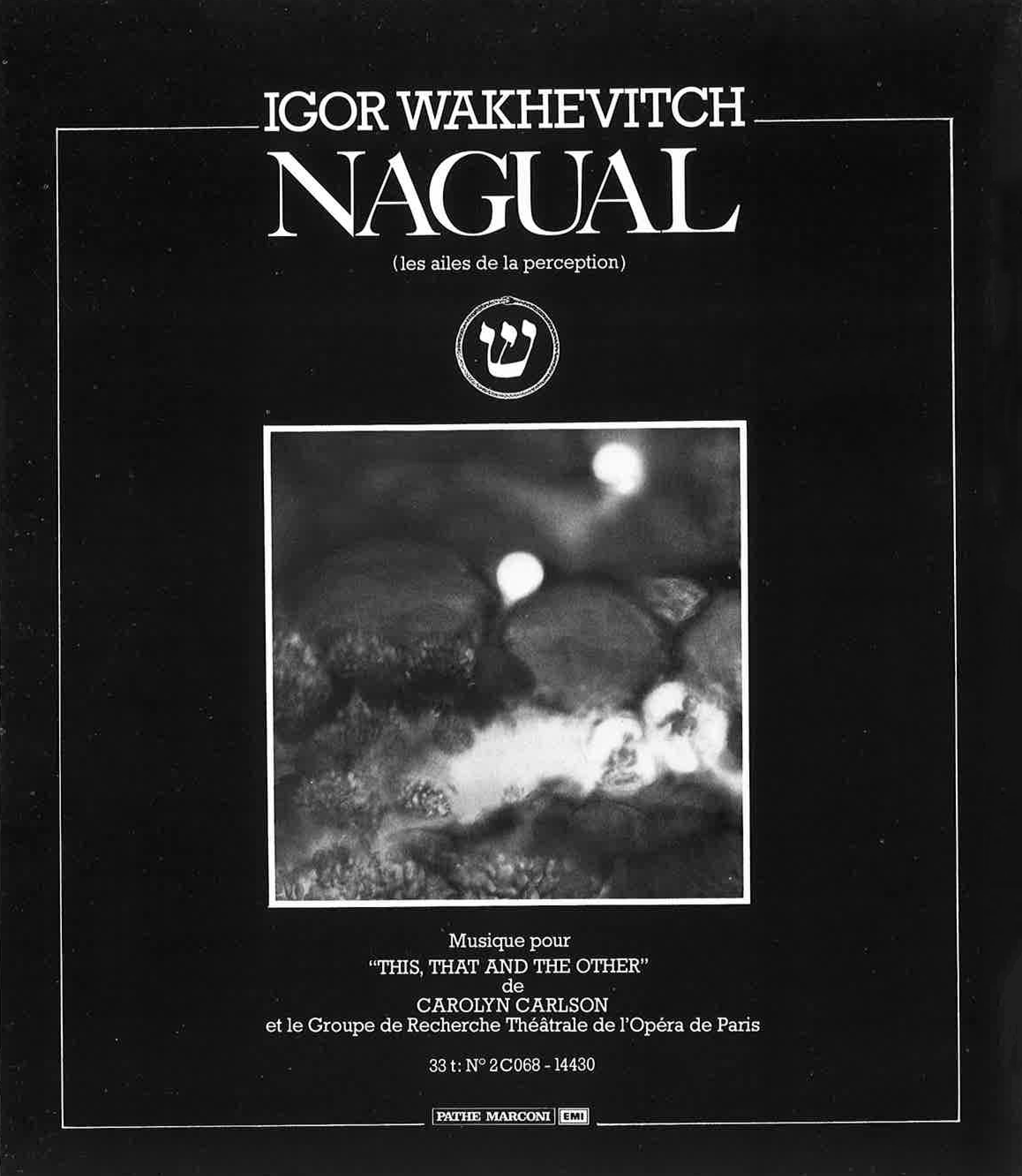
« Logos » (EMI) and « Nagual » (EMI), « Hathor » (Atlantic Records) « Let’s Start » (EMI), “Kshatrya” (Transversales records) and many other compositions reveal pretty excellent spectral forms and modulations which concentrates the listener in seriously profound, immersive mentalscapes.
A few pieces contain rocking, spaced out instrumentations in the genre of cosmic krautrock classics (during this early period, Igor Wakhevitch was also a great friend of Robert Wyatt and Mick Ratledge, the legendary leaders of the british psychedelic rock band, the Soft Machine ; first to listen his music and album, the Pink Floyd praised him at the point to encourage him to come to London ! According to them, England would have been a very auspicious and favorable place for Igor’s music and his sonic experimentations and researches. .
At the height of his carrer, he was twent-six yeara old, Igor Wakhevitch was asked to compose the music of Salvador Dali’s opera « Être Dieu » (To Be God) with Salvador Dali acting his own charachter. Recorded in EMI Studios in Paris.
Igor Wakhevitch works are largely reserved to dance-theatre, epic electronic pieces blended with symphonic orchestra, choirs, plus : entities, abstract elements, elemental creatures, telluric beings, invisible cratures, occult instruments, hidden worlds, straight meditative synthezisers. All his works provides a subliminal collection of experimental electronic recordings.
During the past fourty years, “Igor-ji” devoted himself to Indian Culture and secular tradition and was praised for his achievements and contributions by some of the greatest maestros of India, Maestros Ustad Amjad Ali Khan, Pandit Shiv Kumar Sharma, Pandit Hariprasad Chaurasia, Ustad Zakir Hussain, Rajan & Sajan Mishra, Ajoy Chakraborty, Shashank, the Gundecha Brothers, and many others….
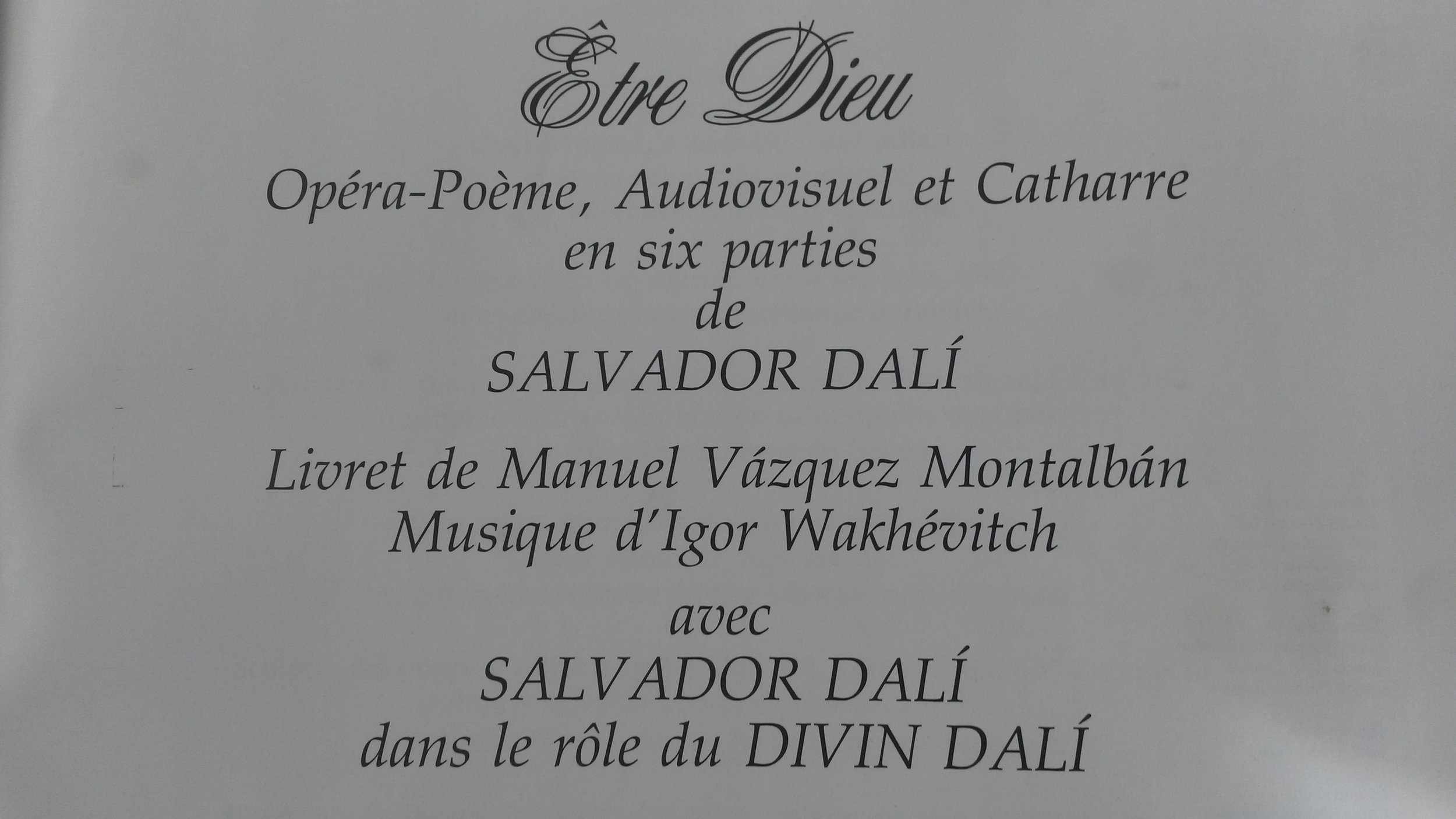
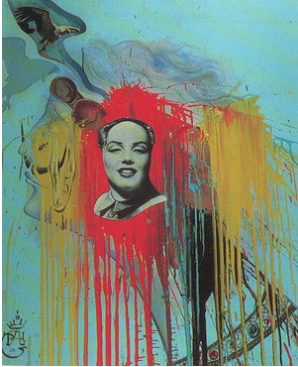
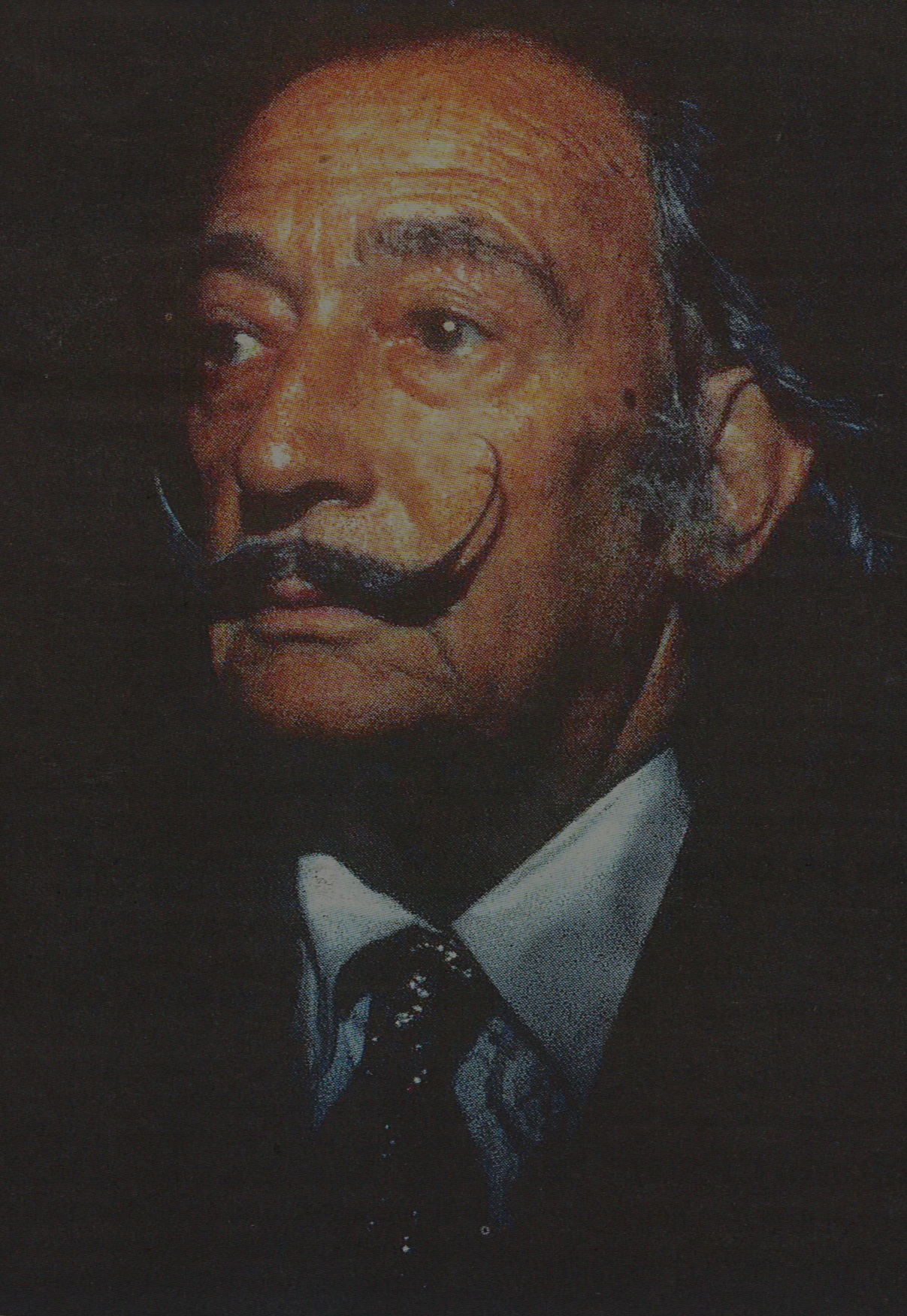
SALVADOR DALI, THE DIVINE DALI (AVIDA DOLLARS)
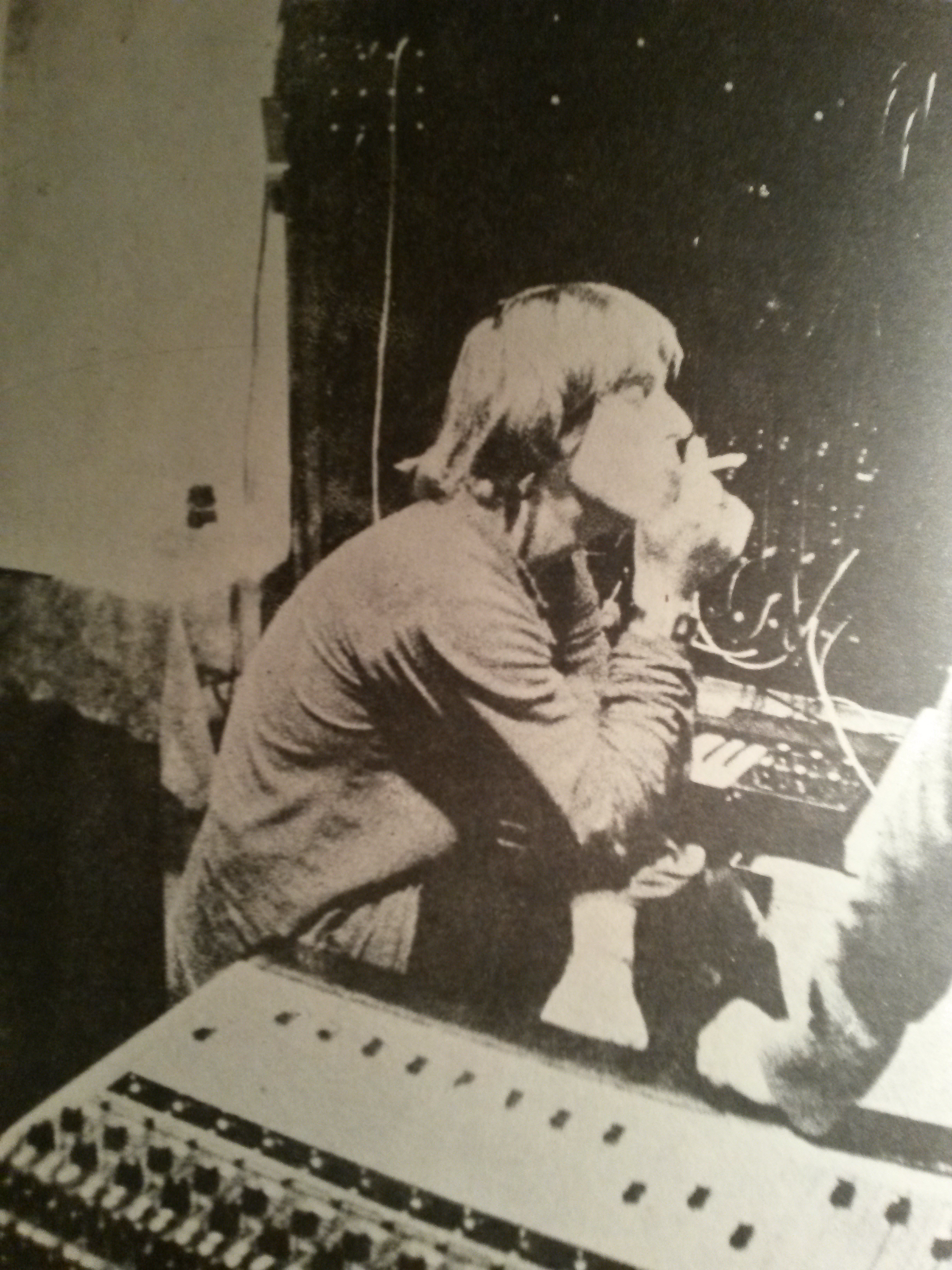
Recording at EMI Studio on the big Modular Moog Synthesizer (Paris-Boulogne)

Photo above: IGOR WAKHEVITCH (with the pink lavalier tie) attending the world creation of his music “AOR” for Symphonic Orchestra and electronic tape by Jean-Michel JARRE at the NATIONAL OPERA OF PARIS

Photo above: Igor performing at the Theatre des Bouffes du Nord, Paris
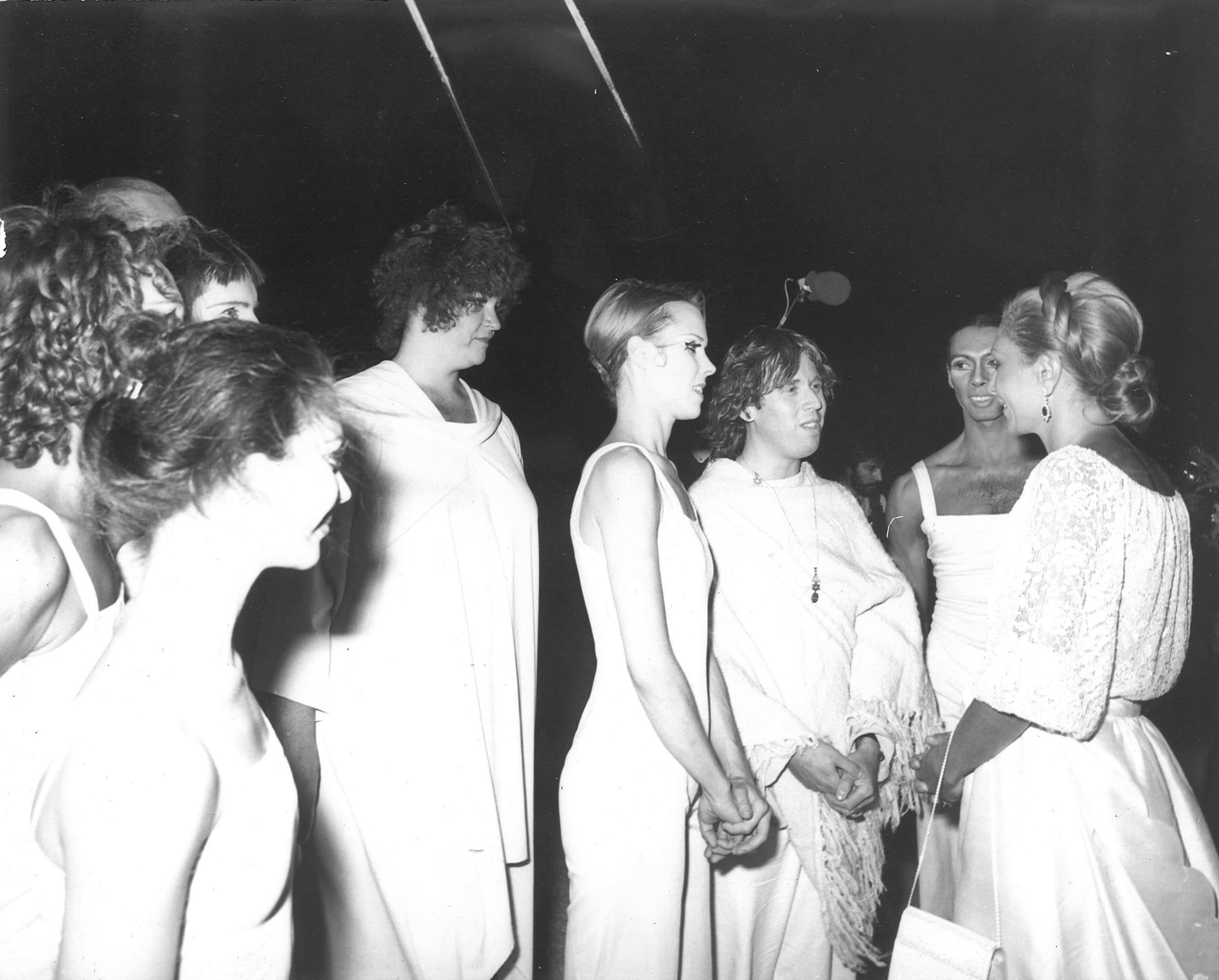
World Premiere of "Human Called Being" at the International Festival of Shiraz-Persepolis in the effective presence of Her Majesty Farah Palhavi, Empress of Iran (Music by Igor Wakhevitch, Choreography by Carolyn Carlson and National Opera of Paris dancers)
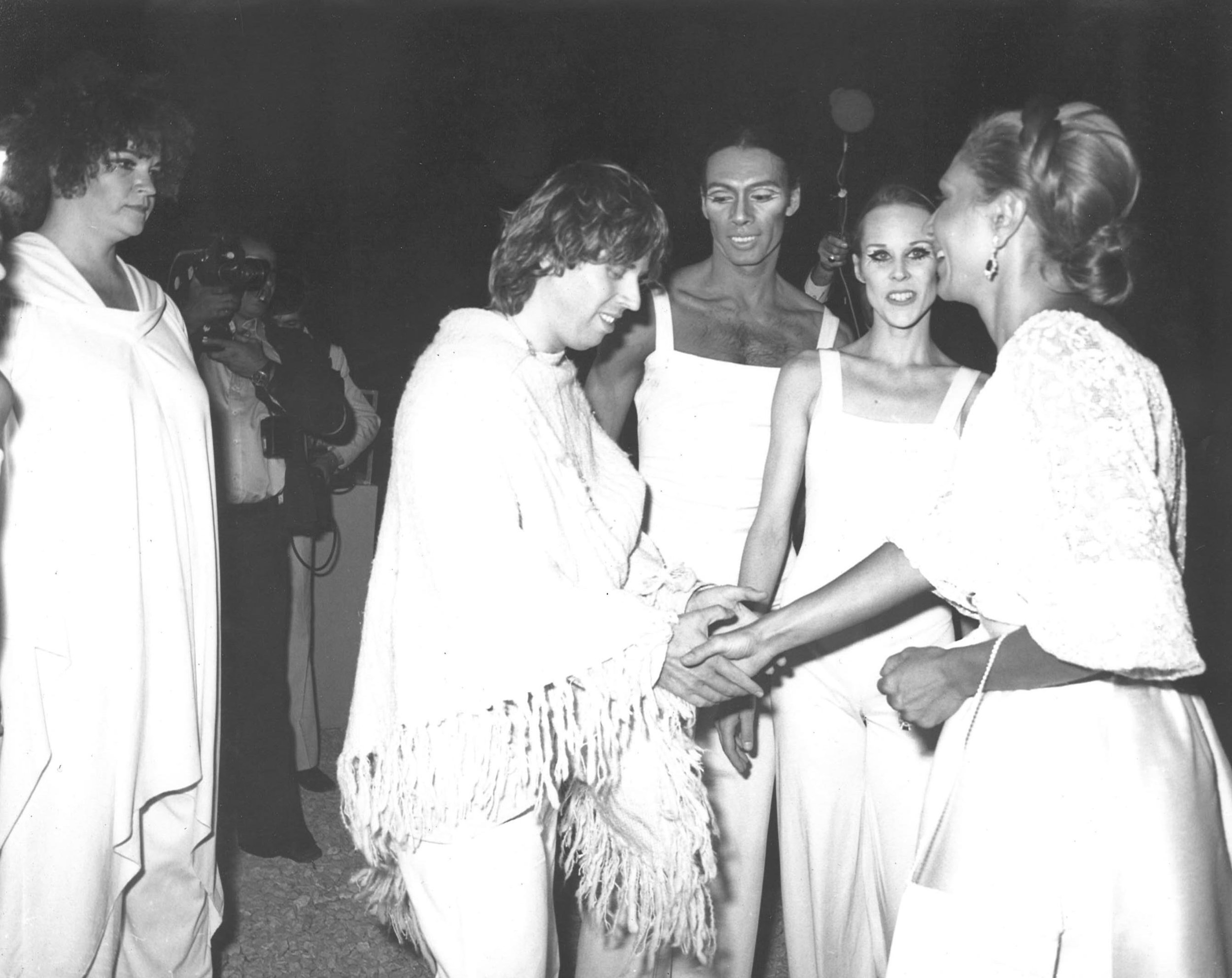
Congratulations on stage after the performance. The Empress of Iran praising Igor’s music

Persian Kings tombs (Naqsh-e-Rostam) in Iran. The third one from the left is the tomb of King Assuerus Xerxès I (A'hachvéroch). Performing site of Igor's music "Human Called Being" and Carolyn Carlson for the choreography (the large stage reproducing Paris Opera's dimensions was erected just beneath the rock cliff)
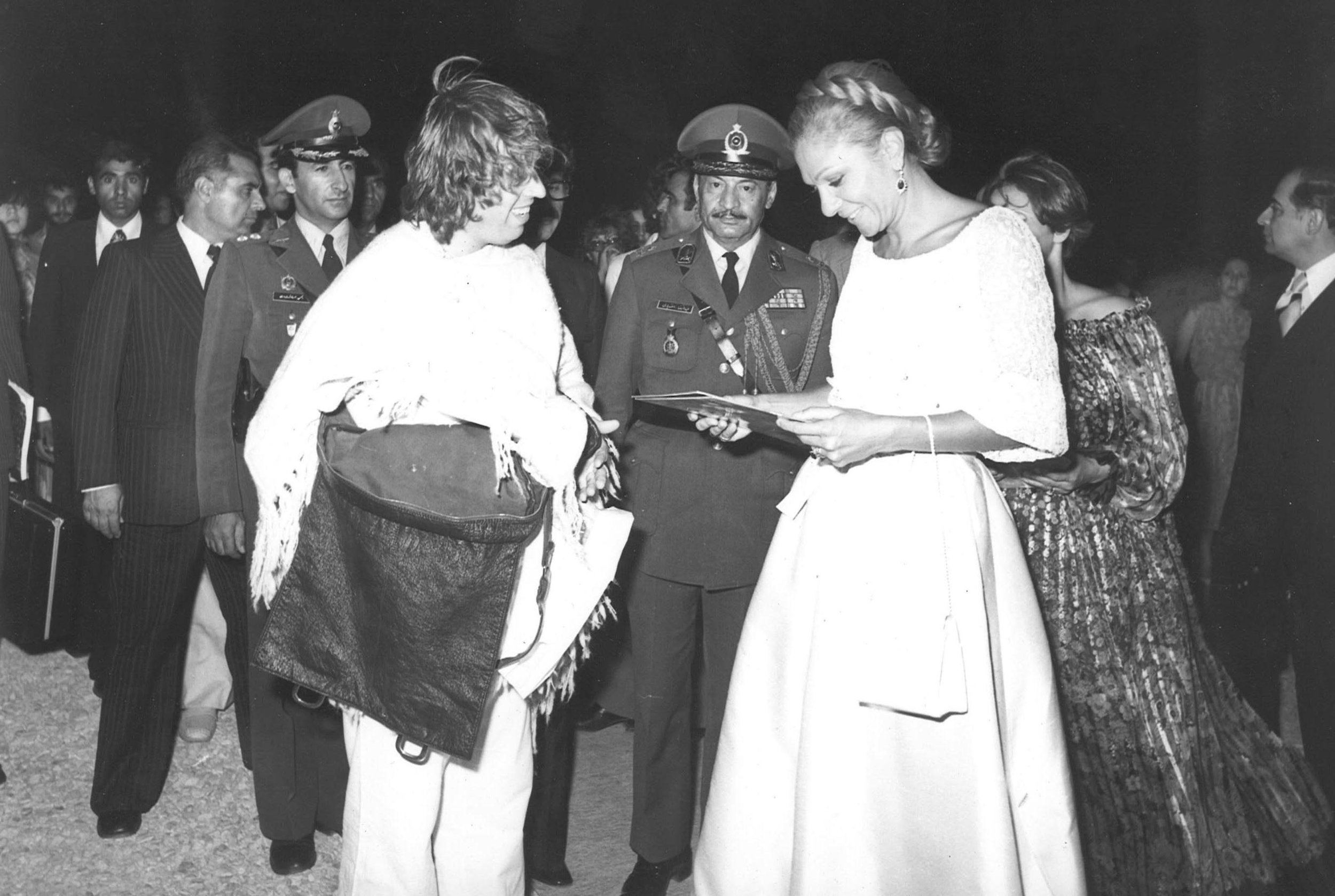
Igor Wakhevitch offering his album “Nagual” to Her Majesty Farah Palhavi, Empress of Iran

National Opera of Paris: Photo inside the dance program (Carolyn Carlson’s “The Other”). Seen on the photo: the amazing dance-trio called “ Boat Trio" - (track "Hunahpuguch" on side A of Igor’s album "Nagual”) EMI Records

Life in Tamil-Nadu
MITRA
the Friend
Life in Tamil-Nadu
MITRA
the Friend
Landmarks
Life in India
Landmarks
Life in India



Igor with Gloria in India
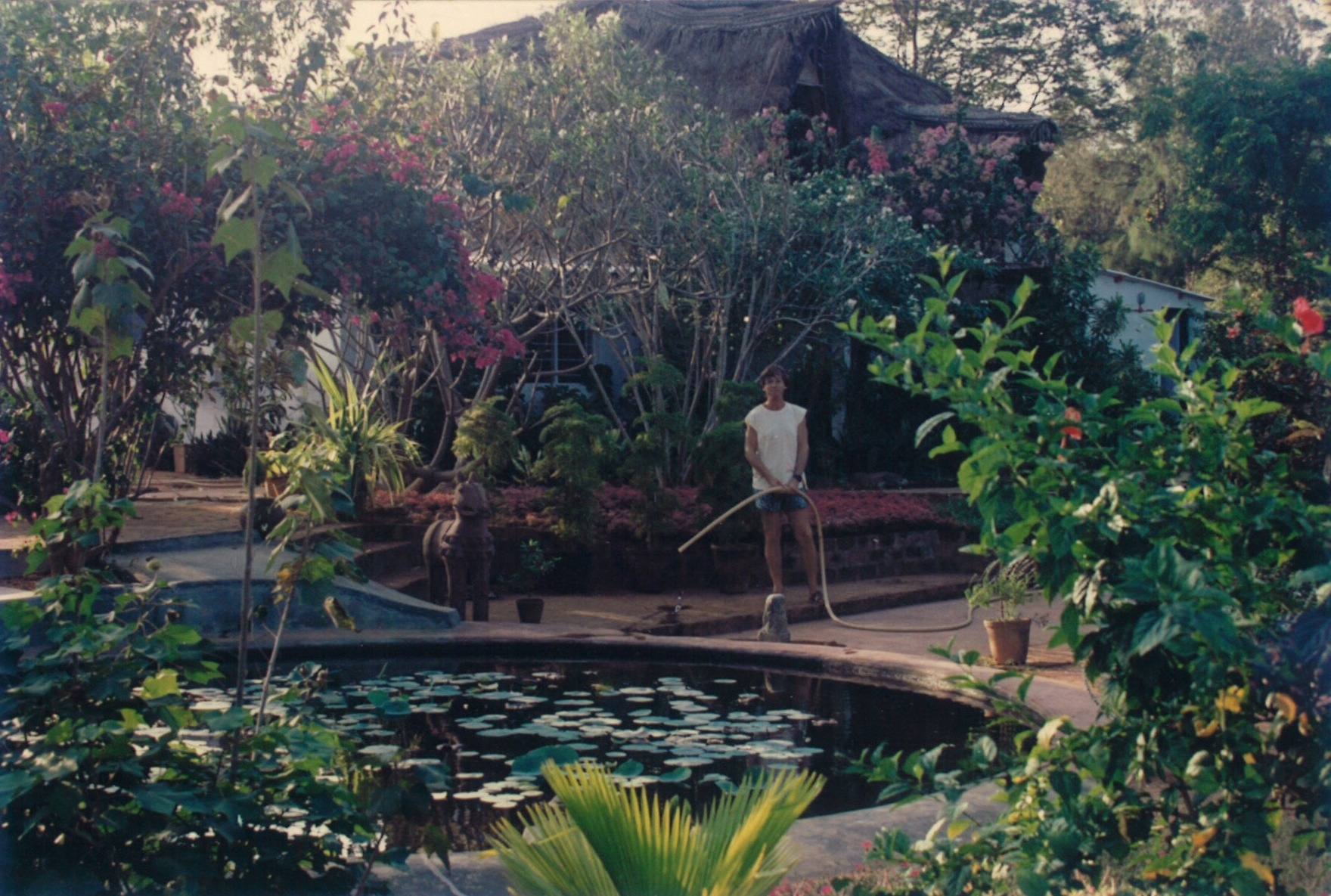
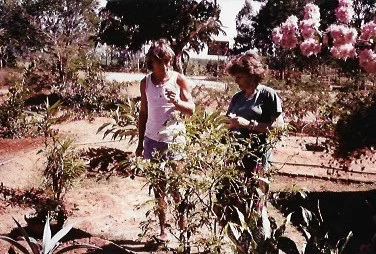
Igor with Catherine in Igor's garden in India
King fishers in mango trees
The land of Lord Krishna
King fishers in mango trees
The land of Lord Krishna

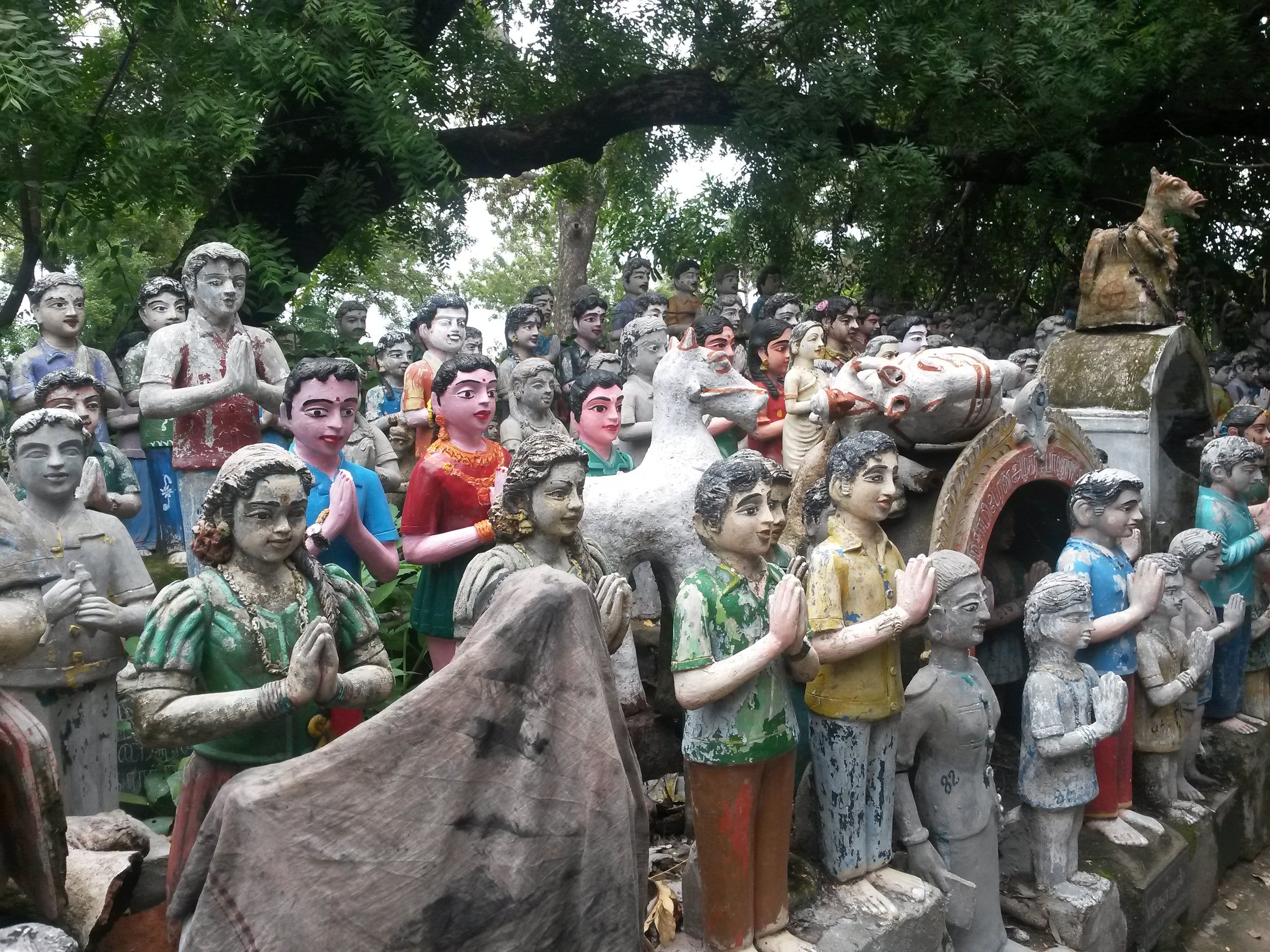
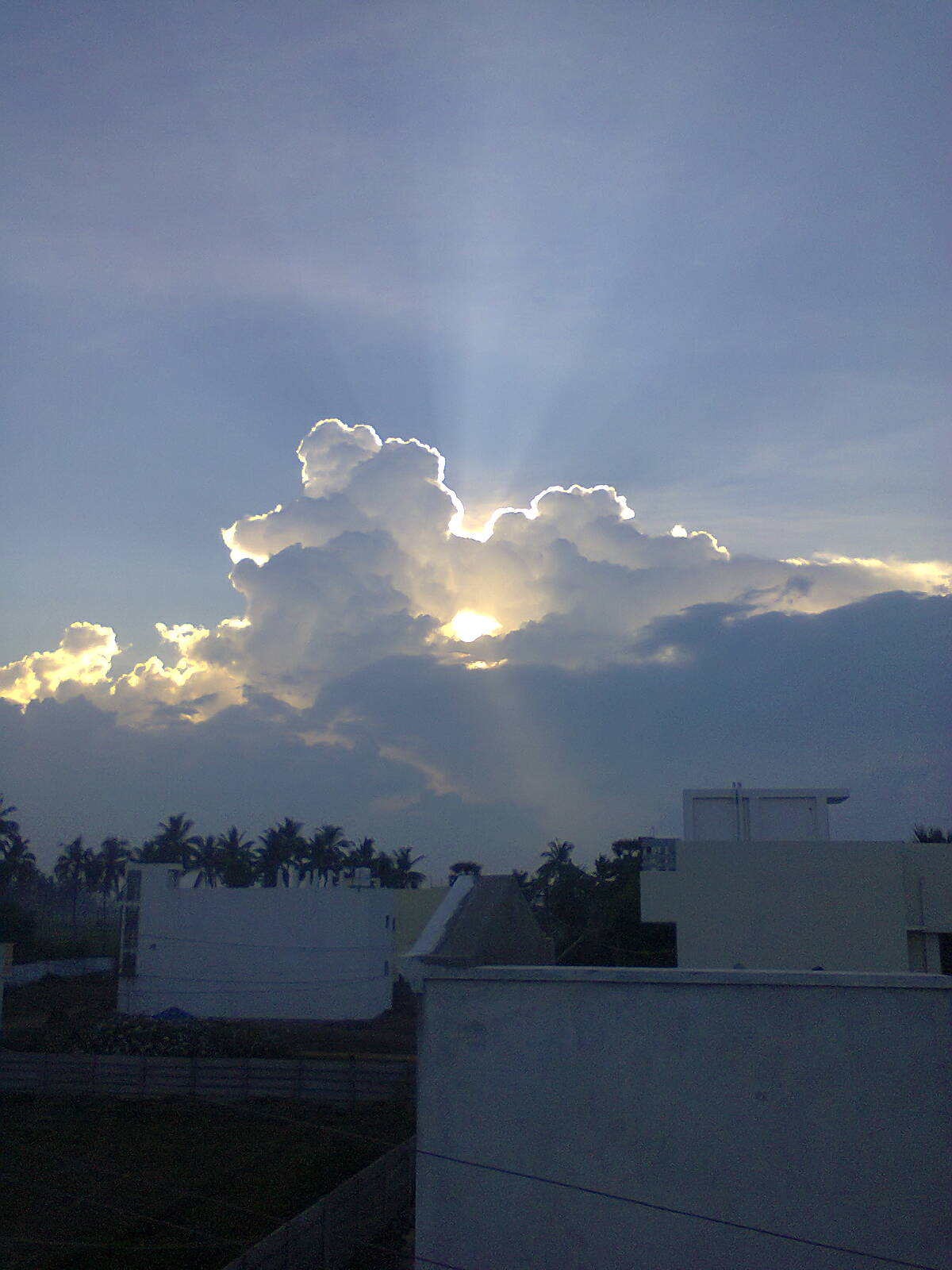
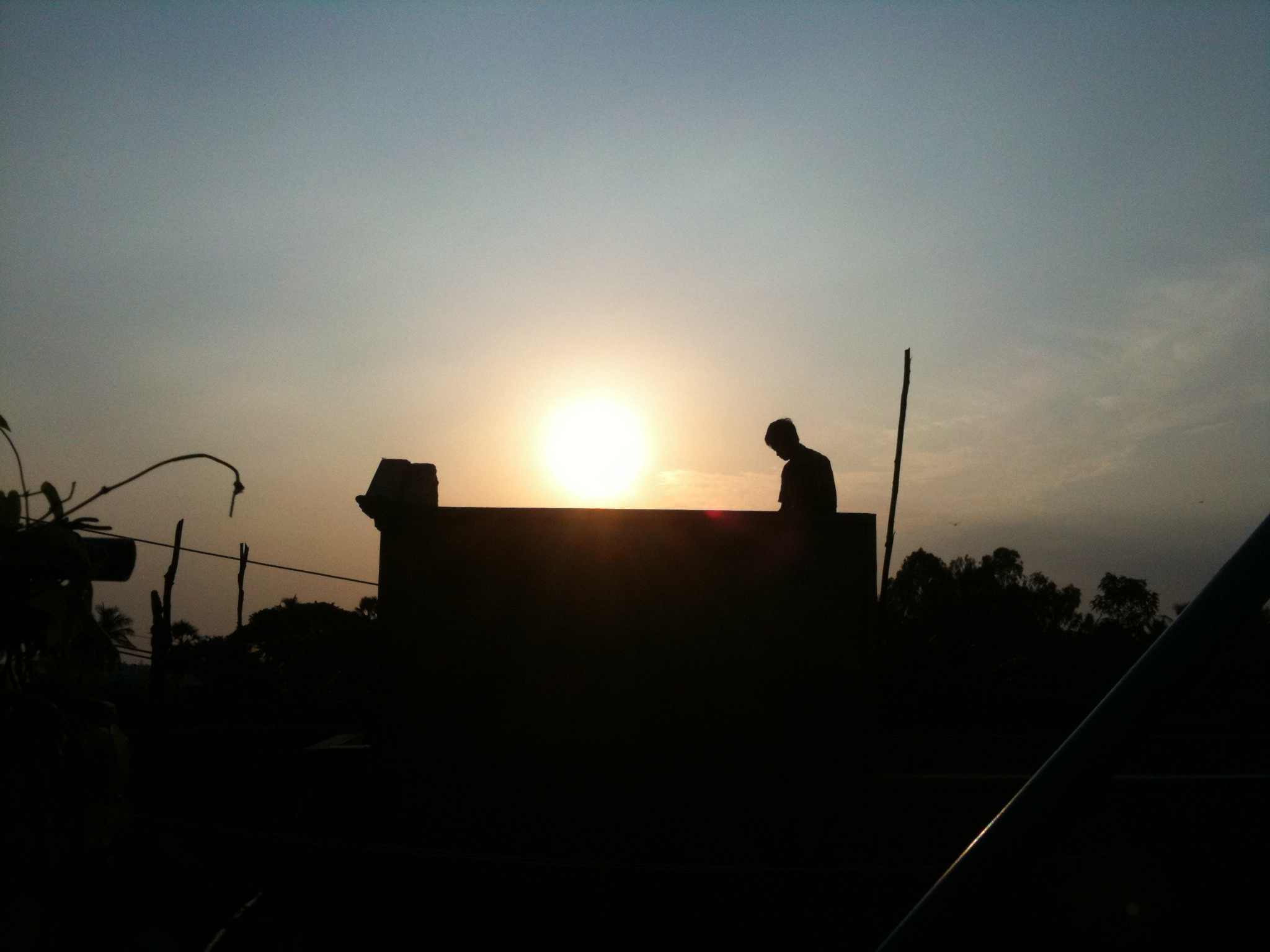

One of the many roads of my soul …
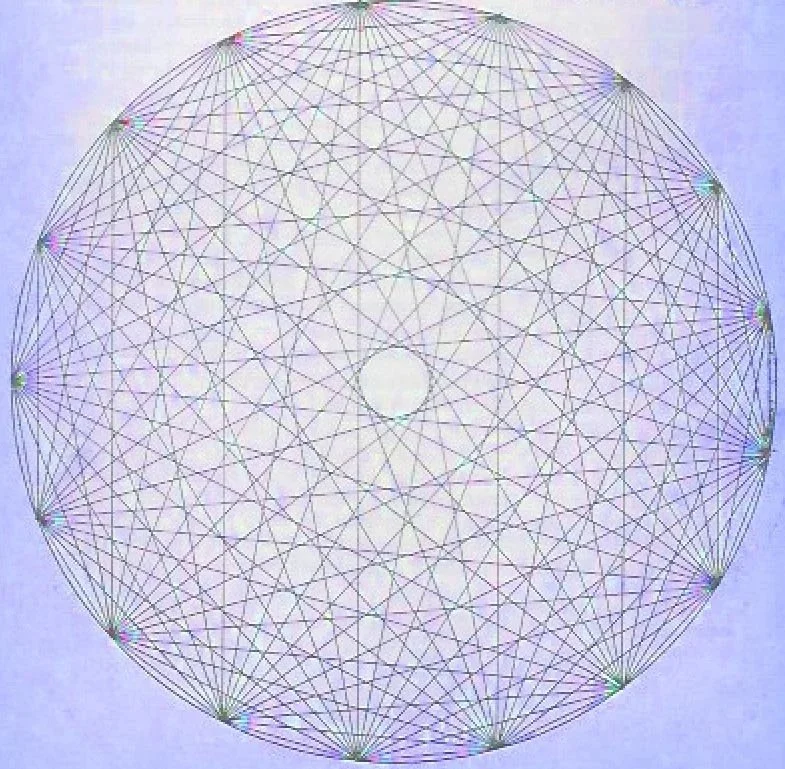
The Fisherman's net
Mother’s Earth Network
The Fisherman’s Net
153 Fishes
We are all connected
The Fisherman's net
Mother’s Earth Network
The Fisherman’s Net
153 Fishes
We are all connected

SYLVIO GUALDA playing the percussion solo score of "Aor" (National Opera of Paris, music Igor Wakhevitch)

USTAD AMJAD ALI KHAN the legendary maestro of sarod (here touring with Igor Wakhevitch in France)
© 2026 Igor Wakhevitch. All rights reserved. No part of this website may be reproduced or transmitted in any form without prior written permission.
The Life Divine
“THE LIFE DIVINE”
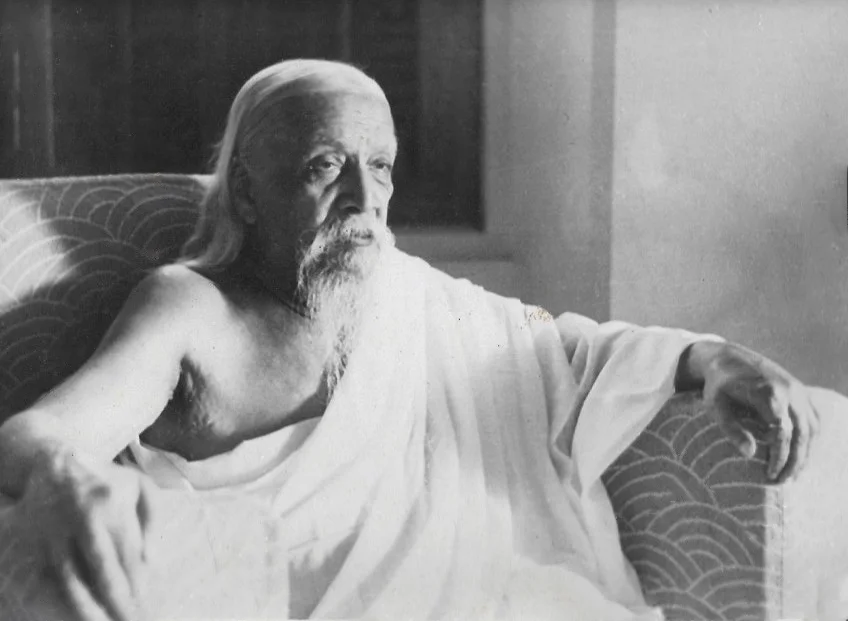
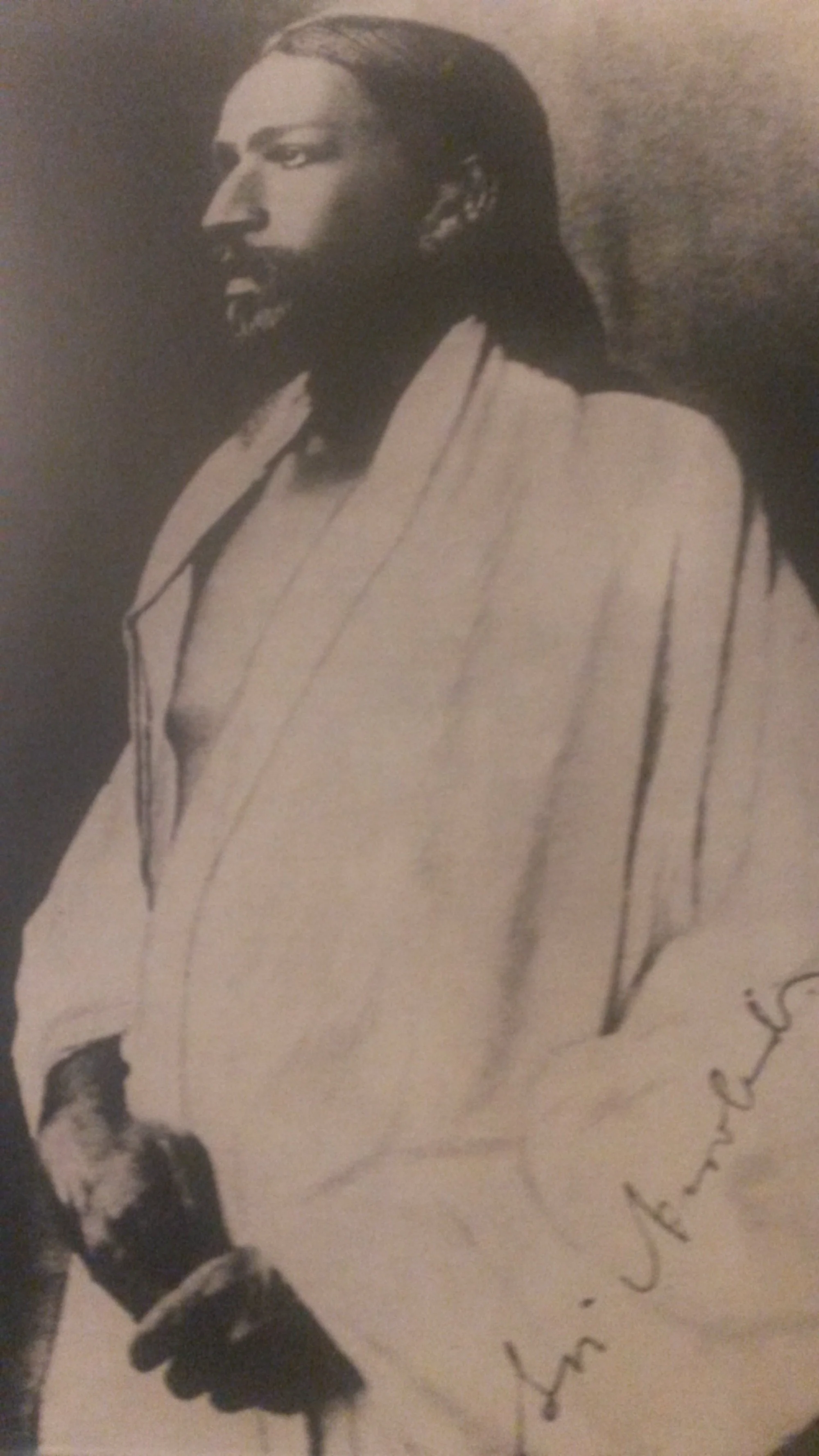
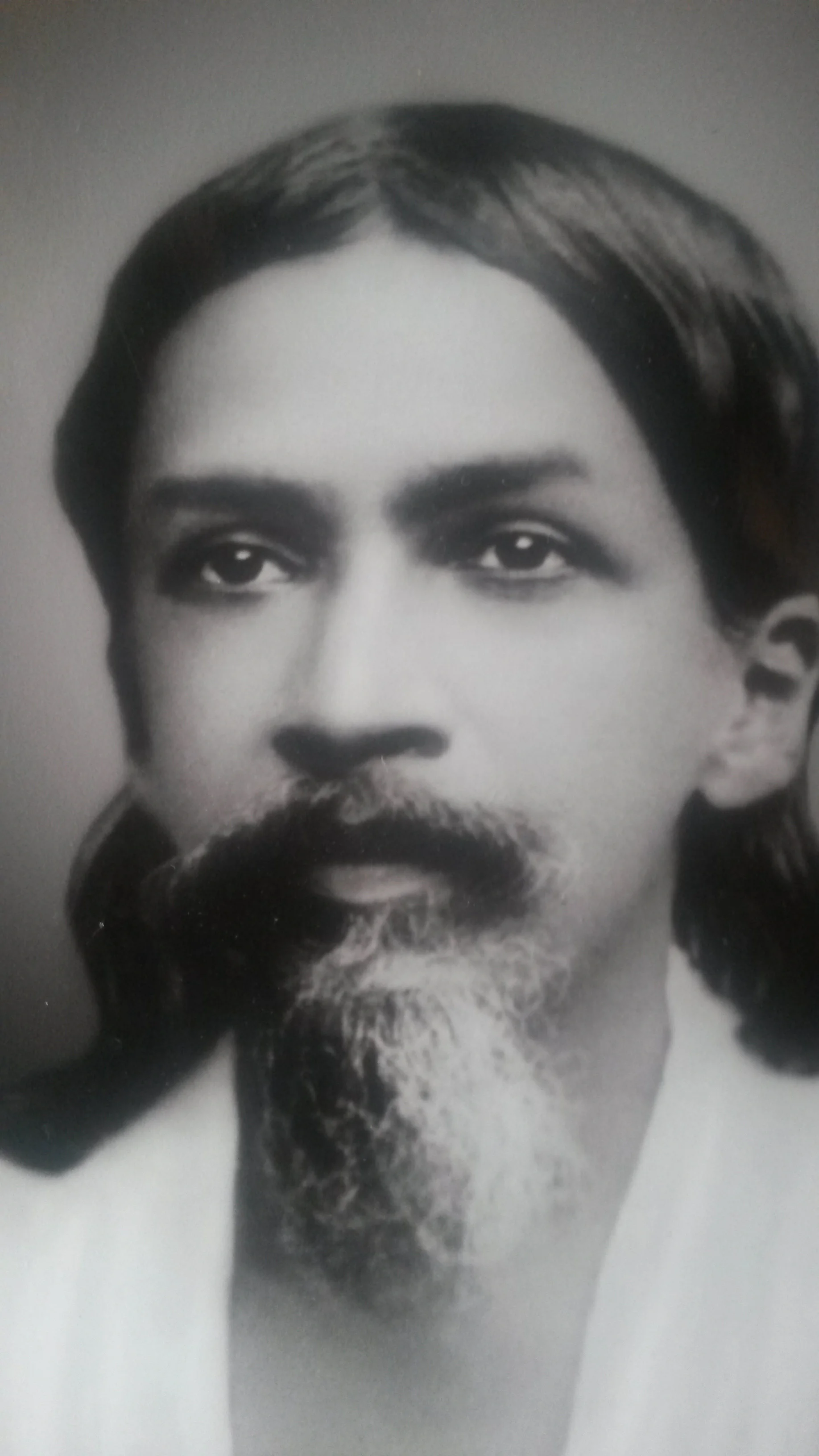
Sri Aurobindo
The Life Divine
“THE LIFE DIVINE”
Sri Aurobindo
"Un Voyant intérieur, un Connaisseur de l'ordre du plan,
Caché derrière nos pas du moment,
Inspire notre ascension vers des hauteurs jamais vues
Comme jadis il inspirait l'abyssal plongeon de la naissance et de la vie.
Son appel avait atteint le Voyageur du Temps.
Solitaire dans une solitude insondée,
Il voyageait dans sa force silencieuse et résolue
Portant le fardeau du désir d'un monde.
Une Paix sans forme appelait, une Lumière sans nom.
Au-dessus de lui, brillait le Rayon blanc immobile,
Autour de lui, les Silences Eternels.
Nulle borne ne marquait la haute tentative,
Mondes après mondes dévoilaient leurs puissances gardées,
Cieux après cieux, leurs profondes béatitudes,
Mais toujours l'Invisible Aimant tirait son âme.
Telle une petite forme seule sur l'échelle géante de la Nature,
Il grimpait vers un but indiscernable
Sur le sommet nu des choses créées"
"SAVITRI" Livre II : "Le Livre du Voyageur des Mondes"
Chant Un : L'Escalier du Monde
Sri AUROBINDO
© Sri Aurobindo Ashram 2026 – All rights reserved. Tous droits réservés.
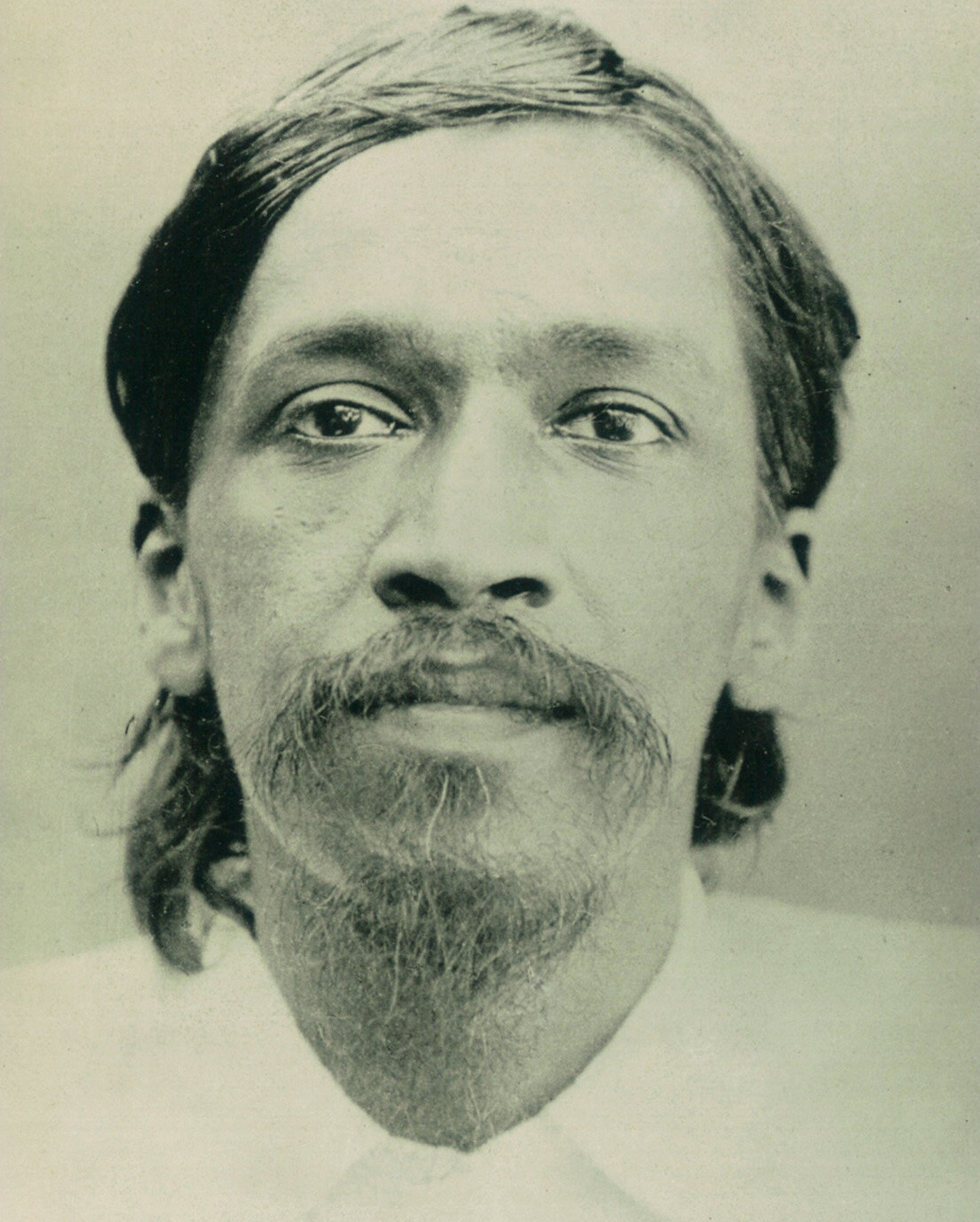
“ S A V I T R I “
© Sri Aurobindo Ashram 2026 – All rights reserved. Tous droits réservés.
Magic Earth
Magic Earth
A seer within who knows the ordered plan
Concealed behind our momentary steps,
Inspires our ascent to viewless heights
As once the abysmal leap to earth and life.
His call had reached the Traveler in Time.
Apart in an unfathomed loneliness,
He travelled in his mute and single strength
Bearing the burden of the world's desire.
A formless Stillness called, a nameless Light.
Above him the eternal Silences.
No term was fixed to the high-pitched attempt;
World after world disclosed its guarded powers,
Heaven after heaven its deep beatitudes,
But still the invisible Magnet drew his soul.
A figure sole on Nature's giant stair,
He mounted towards an indiscernible end
On the bare summit of created things.
“Savitri” — Book II
The Book of the Traveller of the Worlds
Canto I — “The World-Stair”
Sri Aurobindo
© Sri Aurobindo Ashram 2026 – All rights reserved. Tous droits réservés.
New Page
New Page
SRI AUROBINDO GAYATRI
OM TAT SAVITUR VARAM RUPAM PARASA DHIMAHI YANNAH SATYENA DIPAYET
The Seer
The Seer
We call to guard us that brilliant Fire,
the universal godhead,
who grows in the mother,
the master of the word,
the speaker and the hearer,
for the human being’s forming of the godhead,
the illumined Seer,
the Guest,
the swift Traveller.
Hymns of the Mystic Fire
Gathina Vishwamitra
(Mandala Three, Sukta 26)
Nous appelons à nous garder ce Feu brillant,
la divinité universelle,
qui croît dans la Mère,
le maître de la parole,
celui qui parle et celui qui écoute,
pour que l’être humain façonne en lui la divinité,
le Voyant illuminé,
l’Hôte,
le Voyageur rapide.
Hymnes du Feu Mystique
Gathina Vishwamitra
(Mandala Trois, Sukta 26)
The tale of Satyavan and Savitri, told in the Mahabharata as a story of conjugal love conquering death, carries within it far more than a human drama.
Through many signs, it reveals itself as one of the great symbolic myths of the Vedic cycle.
Satyavan is the soul, bearing within itself the divine truth of being, yet fallen into the grasp of death and ignorance.
Savitri is the Divine Word, daughter of the Sun, goddess of the supreme Truth, who descends and is born among men to save.
Aswapati, the Lord of the Horse, her human father, is the Master of Tapasya — the concentrated flame of spiritual endeavour that lifts us from mortal planes toward immortal heights.
Dyumatsena, Lord of the Shining Hosts and father of Satyavan, is the Divine Mind fallen blind, deprived of its celestial kingdom of vision, and with that loss, its kingdom of glory.
Yet this is not a mere allegory.
These figures are not personified qualities or abstractions, but living incarnations, conscious Forces that one can meet, touch, and know.
They take human bodies to guide humanity, to assist, and to reveal the path that leads from the mortal condition to divine consciousness and immortal life.
Sri Aurobindo
Le récit de Satyavan et Savitri, conté dans le Mahabharata, est présenté comme l’histoire d’un amour conjugal qui triomphe de la mort.
Mais derrière cette trame se révèle, à travers de nombreux signes, l’un des grands mythes symboliques du cycle védique.
Satyavan est l’âme, porteuse en elle de la vérité divine de l’être, mais descendue dans l’emprise de la mort et de l’ignorance.
Savitri est la Parole divine, fille du Soleil, déesse de la Vérité suprême, qui descend parmi les hommes et naît pour sauver.
Aswapati, le Seigneur du Cheval, son père humain, est le Maître de la Tapasya, cette énergie concentrée de l’effort spirituel qui élève l’être des plans mortels vers les plans immortels.
Dyumatsena, Seigneur des Armées de Lumière, père de Satyavan, est le Mental divin devenu aveugle, ayant perdu son royaume céleste de vision, et par là, son royaume de gloire.
Pourtant, ce récit n’est pas une simple allégorie.
Les personnages ne sont pas des abstractions personnifiées, mais des incarnations vivantes — des émanations conscientes — avec lesquelles il est possible d’entrer en contact réel.
Ils prennent des corps humains pour guider l’homme, l’aider, et lui montrer la voie qui mène de son état mortel à une conscience divine et à la vie immortelle.
Sri Aurobindo
Sri Aurobindo
Sri Aurobindo
The different cantos of Part One (Books 1-3) of Savitri were published between 1946 and 1948 in various journals of the Sri Aurobindo Ashram and also in separate fascicles. Fascicles of several cantos of Part Two (Book 4-8) came out during 1949 and 1950.
© Sri Aurobindo Ashram 2026 – All rights reserved. Tous droits réservés.
Him
Him
Portrait of the Master
Portrait of the Master